THE TEN COMMANDMENTS
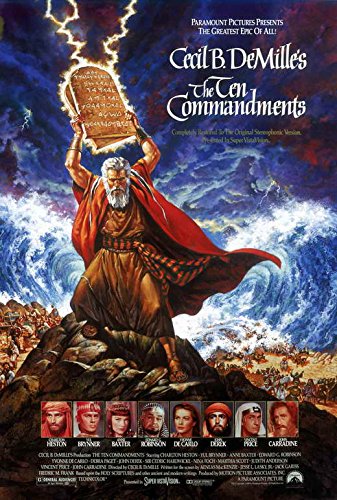
The Ten Commandments is a 1956 American epic biblical adventure drama film produced, directed, and narrated by Cecil B. DeMille,[6] shot in VistaVision (color by Technicolor), and released by Paramount Pictures.[2] Based on the Bible‘s Book of Exodus and other sources,[a] it dramatizes the story of the life of Moses, an adopted Egyptian prince who becomes the deliverer of his real brethren, the enslaved Hebrews, and thereafter leads the Exodus to Mount Sinai, where he receives, from God, the Ten Commandments. The film stars Charlton Heston in the lead role, Yul Brynner as Rameses,[b] Anne Baxter as Nefretiri,[b] Edward G. Robinson as Dathan, Yvonne De Carlo as Sephora, Debra Paget as Lilia, and John Derek as Joshua; and features Sir Cedric Hardwicke as Sethi I,[b] Nina Foch as Bithiah, Martha Scott as Yochabel, Judith Anderson as Memnet, and Vincent Price as Baka, among others.[6]
First announced in 1952, The Ten Commandments is a remake of the prologue of DeMille’s 1923 silent film of the same title. Four screenwriters, three art directors, and five costume designers worked on the film. In 1954, it was filmed on location in Egypt, Mount Sinai, and the Sinai Peninsula, featuring one of the largest exterior sets ever created for a motion picture.[8] In 1955, the interior sets were constructed on Paramount’s Hollywood soundstages. The original roadshow version included an onscreen introduction by DeMille and was released to cinemas in the United States on November 8, 1956, and, at the time of its release, was the most expensive film ever made.[9][8] It was DeMille’s most successful work, his first widescreen film, his fourth biblical production, and his final directorial effort before his death in 1959.[8]
In 1957, the film was nominated for seven Academy Awards, including Best Picture, winning the Academy Award for Best Visual Effects (John P. Fulton, A.S.C.).[10] DeMille won the Foreign Language Press Film Critics Circle Award for Best Director.[11] Charlton Heston was nominated for a Golden Globe Award for Best Performance by an Actor in a Motion Picture (Drama).[10] Yul Brynner won the National Board of Review Award for Best Actor.[c][10] Heston, Anne Baxter, and Yvonne De Carlo won Laurel Awards for Best Dramatic Actor, 5th Best Dramatic Actress, and 3rd Best Supporting Actress, respectively.[12] It is also one of the most financially successful films ever made, grossing approximately $122.7 million at the box office during its initial release; it was the most successful film of 1956 and the second-highest-grossing film of the decade. According to Guinness World Records, in terms of theatrical exhibition, it is the eighth most successful film of all-time when the box office gross is adjusted for inflation.
In 1999, the film was selected for preservation in the United States National Film Registry by the Library of Congress as being “culturally, historically, or aesthetically significant”. In June 2008, the American Film Institute revealed its “Ten Top Ten“—the best ten films in ten American film genres—after polling over 1,500 people from the creative community. The film was listed as the tenth best film in the epic genre.[13][14] The film has aired annually on U.S. network television in prime time during the Passover/Easter season since 1973.
DOWNLOAD
THE GREATEST STORY EVER TOLD
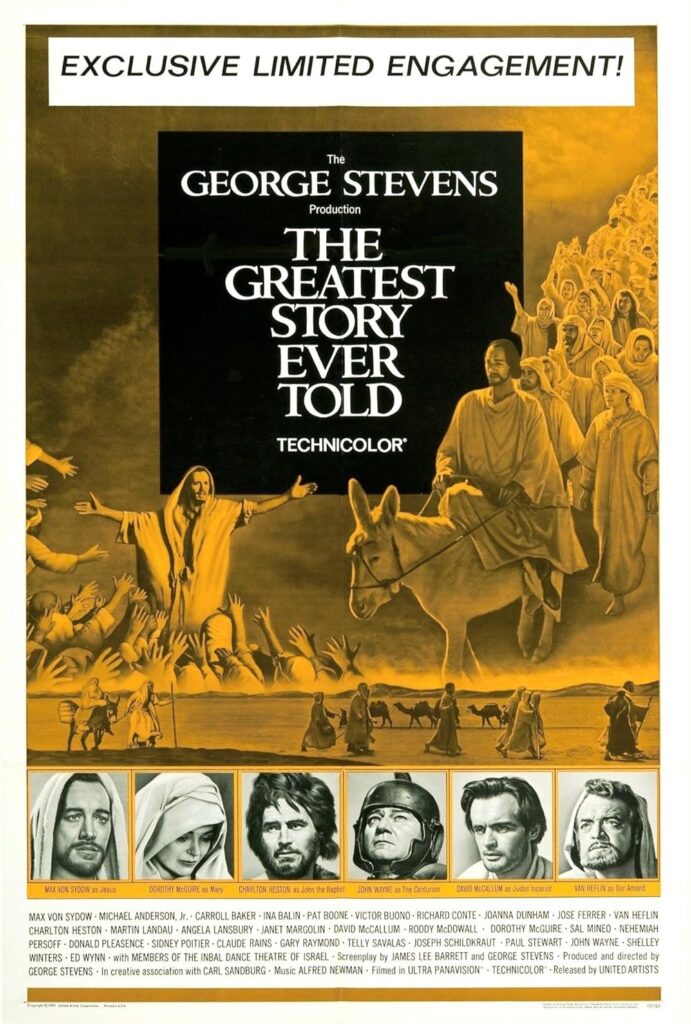
The Greatest Story Ever Told is a 1965 American epic religious film that retells the Biblical account of Jesus of Nazareth, from the Nativity through to the Ascension. Produced and directed by George Stevens, the film features an ensemble cast and includes the final film performances of Claude Rains and Joseph Schildkraut.
The origins of The Greatest Story Ever Told trace back to a half-hour radio series in 1947, inspired by the four canonical Gospels. The series was later adapted into a 1949 novel by Fulton Oursler. In 1954, Twentieth Century Fox acquired the film rights to Oursler’s novel, but development stalled for several years. In November 1958, Stevens joined the project, agreeing to write and direct. However, in September 1961, Fox withdrew due to concerns over the film’s projected cost and its thematic similarities to King of Kings (1961), another religious biopic about Jesus.
A few months later, Stevens moved the project to United Artists. He opted to film in the Southwestern United States rather than the Middle East, and principal photography began on October 29, 1962. Filming fell behind schedule due to Stevens’ meticulous shooting techniques, prompting David Lean and Jean Negulesco to assist with some sequences. Production concluded on August 1, 1963.
The film premiered at the Warner Cinerama Theatre in New York City on February 15, 1965, receiving a polarized response from critics.[3] It was also a box office disappointment, earning $15.5 million against a $20 million budget. Despite this, it received five Academy Award nominations.
DOWNLOAD
HERE COMES PETER COTTONTAIL
Here Comes Peter Cottontail is a 1971 animated Easter television special produced by Rankin/Bass Productions, currently distributed by Universal Television and based on the 1957 novel, The Easter Bunny That Overslept, by Priscilla and Otto Friedrich.[1] The special is narrated by Danny Kaye, and stars Casey Kasem, Vincent Price, Joan Gardner and Paul Frees. The special also features Steve Nelson and Jack Rollins‘s Easter song, “Here Comes Peter Cottontail“.
It was originally broadcast in the United States on April 4, 1971, on the ABC television network.[2] Subsequent airings have appeared on CBS, Fox Family, The CW and Cartoon Network.[3] In 2005, it was followed by a computer-animated sequel Here Comes Peter Cottontail: The Movie.
DOWNLOAD
KING OF KINGS
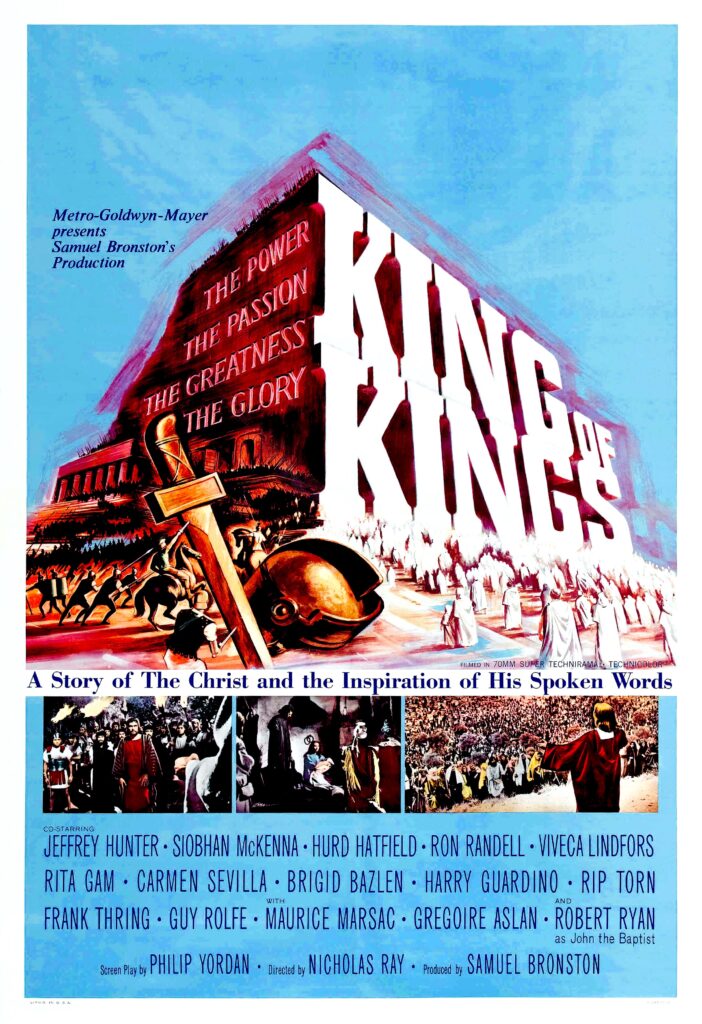
King of Kings is a 1961 American epic religious film directed by Nicholas Ray and produced by Samuel Bronston for Metro-Goldwyn-Mayer. Adapted from the New Testament, the film tells the story of Jesus of Nazareth from his birth and ministry to his crucifixion and resurrection. It stars Jeffrey Hunter as Jesus, with Siobhán McKenna, Robert Ryan, Viveca Lindfors, Ron Randell, Hurd Hatfield, Carmen Sevilla and Rip Torn and is narrated by Orson Welles.
Throughout the 1950s, John Farrow began developing a proposed film project based on the life of Jesus, tentatively titled Son of Man. In November 1958, actual development started when Farrow partnered with Samuel Bronston following their collaboration on John Paul Jones (1959). By the next year, Farrow left the project due to creative differences, and Nicholas Ray was hired as director. Ray then hired screenwriter Philip Yordan to write a new script. Filming commenced in April 1960 and wrapped in October 1960.
Financing of the film was initially provided by Pierre S. du Pont III and other private investors. During production, Bronston signed guarantee bonds with Metro-Goldwyn-Mayer,[3] who took interest in the film following their success with Ben-Hur (1959). With MGM involved, mandatory rewrites and additional scenes were added to the film. Reshoots took place in December 1960 and again in May 1961.
The film premiered at Loew’s State Theatre in New York City on October 11, 1961. It premiered in Los Angeles on October 12 and opened there on October 13. During its initial release, it received mixed reviews from film critics, but was a box office success. Miklós Rózsa was nominated for a Golden Globe Award for Best Original Score.
DOWNLOAD
THE LAST TEMPTATION OF CHRIST
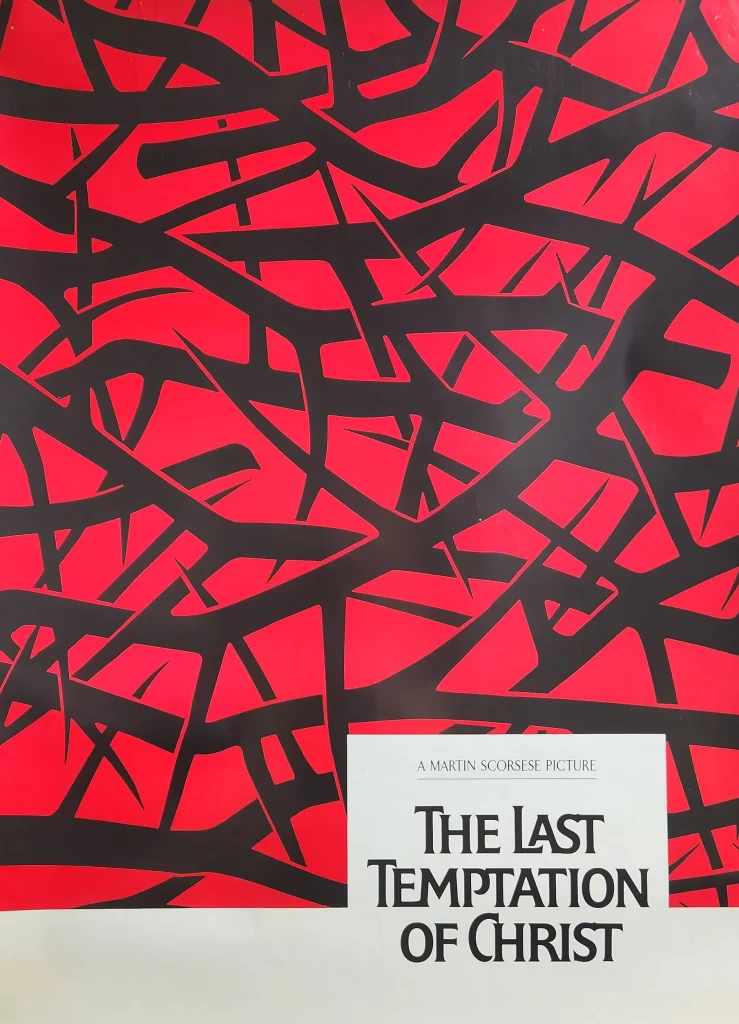
The Last Temptation of Christ is a 1988 epic religious drama film directed by Martin Scorsese. Written by Paul Schrader, with uncredited rewrites from Scorsese and Jay Cocks, it is an adaptation of Nikos Kazantzakis‘ controversial 1955 novel of the same name. The film, starring Willem Dafoe, Harvey Keitel, Barbara Hershey, Andre Gregory, Harry Dean Stanton and David Bowie, was shot entirely in Morocco.
The film depicts the life of Jesus Christ and his struggle with various forms of temptation including fear, doubt, depression, reluctance and lust. The book and the film depict Christ being tempted by imagining himself engaged in sexual activities, which caused outrage from certain Christian groups, claiming the work as blasphemy. It includes a disclaimer stating: “This film is not based on the Gospels, but upon the fictional exploration of the eternal spiritual conflict.”
The Last Temptation of Christ was released by Cineplex Odeon Films in Canada and by Universal Pictures worldwide on August 12, 1988. Like the novel, the film attracted controversy towards several Christian groups and faced censorship despite modest critical and commercial success, grossing $33.8 million against a $7 million budget. The film received numerous accolades including a nomination for the Academy Award for Best Director to Scorsese.
DOWNLOAD
THE PASSION OF THE CHRIST
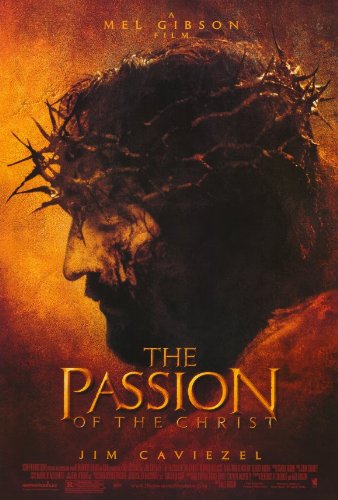
The Passion of the Christ is a 2004 American epic biblical drama film co-produced and directed by Mel Gibson from a screenplay he wrote with Benedict Fitzgerald. It is the first installment of The Passion of the Christ film series. The film stars Jim Caviezel as Jesus, Maia Morgenstern as his mother Mary, and Monica Bellucci as Mary Magdalene. It depicts the arrest, trial and crucifixion of Jesus, largely according to the canonical gospels as well as additional accounts such as the purported mystical visions by Anne Catherine Emmerich and the Friday of Sorrows.[3][4][5][6]
The film primarily covers the final twelve hours before Jesus Christ’s death, known as “the Passion”. It begins with the Agony in the Garden of Olives (i.e., Gethsemane), continues with the betrayal of Judas Iscariot, the Flagellation of Christ, the suffering of Mary as prophesied by Simeon, the crucifixion and death of Jesus, and ends with a brief depiction of his resurrection. The narrative is interspersed with moments in Jesus’s life, such as the Last Supper and the Sermon on the Mount, and moments of Jesus’ early life. The film was mostly shot in Italy.[7] The dialogue is entirely in reconstructed Aramaic, Hebrew, and Latin. Although Gibson was initially against it, the film is subtitled.
The Passion of the Christ was released by Newmarket Films on February 25, 2004. The film was controversial and received polarized reviews; some critics called the film a religious and holy experience, praising the performances, production values, and John Debney‘s score, while some found it antisemitic and the violence extreme and draining. The film grossed $612.1 million worldwide against a $30 million budget,[8] and became the fifth highest-grossing film of 2004 internationally at the end of its theatrical run.[2] It is the highest-grossing (inflation unadjusted) Christian film of all time, as well as the highest-grossing independent film of all time.[9][10] It was the highest-grossing R-rated film in the US, at $370.8 million, a record which remained unbroken for 20 years.[11][12] It received three nominations at the 77th Academy Awards in 2005, for Best Makeup, Best Cinematography, and Best Original Score.[13] Two sequels, The Resurrection of the Christ: Part One and Part Two, are due to be released in 2027, with a new cast
DOWNLOAD
SON OF GOD
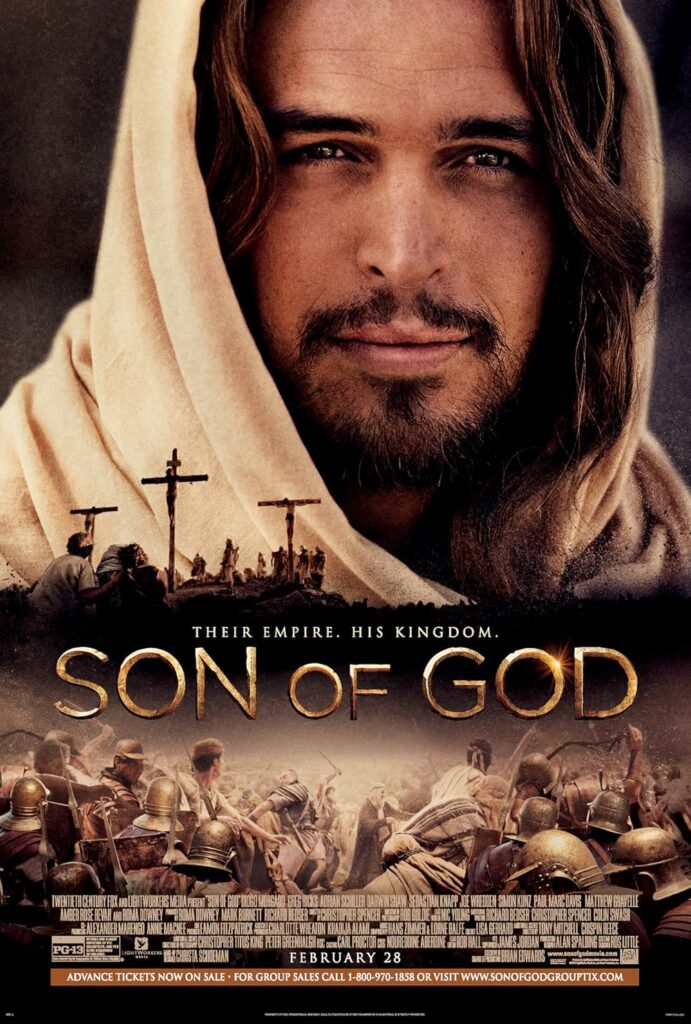
Son of God is a 2014 American epic biblical film directed by Christopher Spencer, and produced by Mark Burnett and Roma Downey. The film retells the life of Jesus Christ and is an adaptation of the miniseries The Bible,[5] which aired in March 2013 on the History channel, and immediately following the movie begins another TV series called A.D. The Bible Continues. The film stars Diogo Morgado, Greg Hicks, Adrian Schiller, Darwin Shaw, Sebastian Knapp, Joe Wredden, Simon Kunz, Paul Marc Davis, Matthew Gravelle, Amber Rose Revah, and Roma Downey.
The film was released in the United States and Canada on February 28, 2014.[6] The film received negative reviews from critics and grossed $70 million against a budget of $22 million, making it the seventh-highest grossing Christian film of all time.
DOWNLOAD
THE ROBE
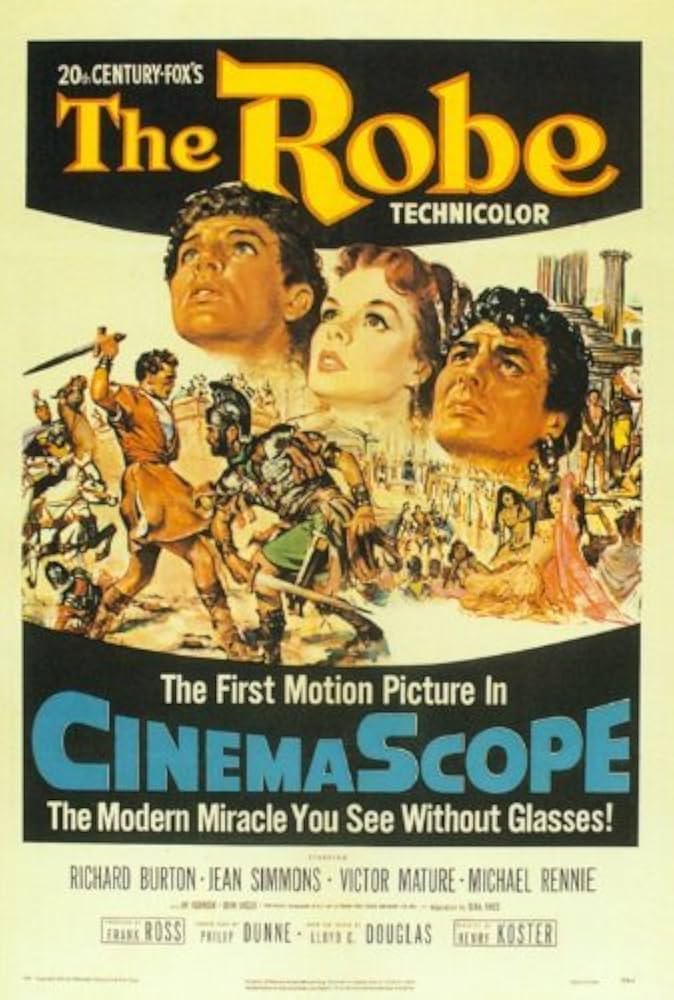
The Robe is a 1953 American Biblical epic film that tells the story of a Roman military tribune who commands the unit that is responsible for the crucifixion of Jesus. The film was released by 20th Century Fox and was the first film released in the widescreen process CinemaScope.[4] Like other early CinemaScope films, The Robe was shot with Henri Chrétien‘s original Hypergonar anamorphic lenses.
The film was directed by Henry Koster and produced by Frank Ross. The screenplay was adapted from Lloyd C. Douglas‘s 1942 novel by Gina Kaus, Albert Maltz, and Philip Dunne—although Maltz’s place among the blacklisted Hollywood 10 led to his being denied his writing credit for many years. The score was composed by Alfred Newman, and the cinematography was by Leon Shamroy. The film stars Richard Burton, Jean Simmons, Victor Mature and Michael Rennie, and co-stars Jay Robinson, Dean Jagger, Torin Thatcher, Richard Boone, Betta St. John, Jeff Morrow, Ernest Thesiger, and others.
A sequel, Demetrius and the Gladiators (1954), continues from where The Robe ends.[5]
DOWNLOAD
BEN-HUR
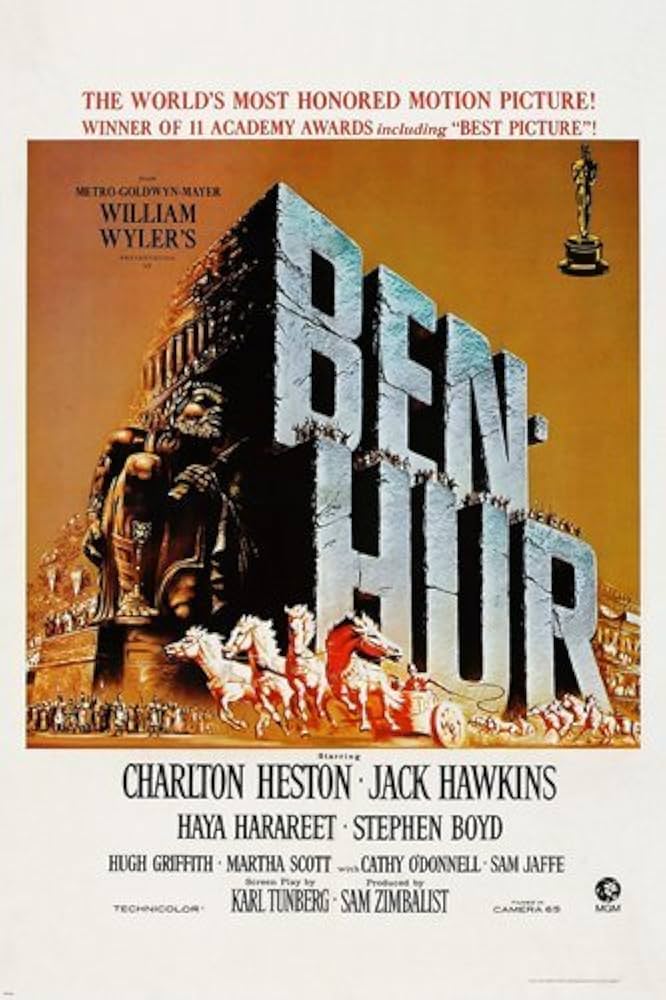
Ben-Hur (/bɛnˈhɜːr/) is a 1959 American religious epic film[1] directed by William Wyler, produced by Sam Zimbalist, and starring Charlton Heston as the title character. A remake of the 1925 silent film with a similar title, it was adapted from Lew Wallace‘s 1880 novel Ben-Hur: A Tale of the Christ. The screenplay is credited to Karl Tunberg, but includes contributions from Maxwell Anderson, S. N. Behrman, Gore Vidal, and Christopher Fry. The cast also features Stephen Boyd, Jack Hawkins, Haya Harareet, Hugh Griffith, Martha Scott, Cathy O’Donnell and Sam Jaffe.
Ben-Hur had the largest budget ($15.175 million), as well as the largest sets built, of any film produced at the time. Costume designer Elizabeth Haffenden oversaw a staff of 100 wardrobe fabricators to make the costumes, and a workshop employing 200 artists and workmen provided the hundreds of friezes and statues needed in the film. Filming commenced on May 18, 1958, and wrapped on January 7, 1959, with shooting lasting for 12 to 14 hours a day and six days a week. Pre-production began in Italy at Cinecittà around October 1957, and post-production took six months. Under cinematographer Robert L. Surtees, executives at Metro-Goldwyn-Mayer made the decision to produce the film in a widescreen format. Over 200 camels and 2,500 horses were used in the shooting of the film, with some 10,000 extras. The sea battle was filmed using miniatures in a huge tank on the back lot at the Metro-Goldwyn-Mayer Studios in Culver City, California. The nine-minute chariot race has become one of cinema’s most famous action sequences, and the score, composed and conducted by Miklós Rózsa, was at the time the longest ever composed for a film, and was highly influential on cinema for over 15 years.
Following a $14.7 million marketing effort, Ben-Hur premiered at Loew’s State Theatre in New York City on November 18, 1959. It was the fastest-grossing as well as the highest-grossing film of 1959, becoming the second highest-grossing film in history at the time, after Gone with the Wind. It won a record eleven Academy Awards, including Best Picture, Best Director (Wyler), Best Actor in a Leading Role (Heston), Best Actor in a Supporting Role (Griffith), and Best Cinematography – Color (Surtees); it also won Golden Globe Awards for Best Motion Picture – Drama, Best Director, and Best Supporting Actor – Motion Picture for Stephen Boyd. In 1998, the American Film Institute named it the 72nd best American film and the second best American epic film in the AFI’s 10 Top 10. In 2004, the National Film Preservation Board selected Ben-Hur for preservation by the National Film Registry of the Library of Congress for being “culturally, historically, or aesthetically significant”.[5][6]
DOWNLOAD
THE GOSPEL OF JOHN
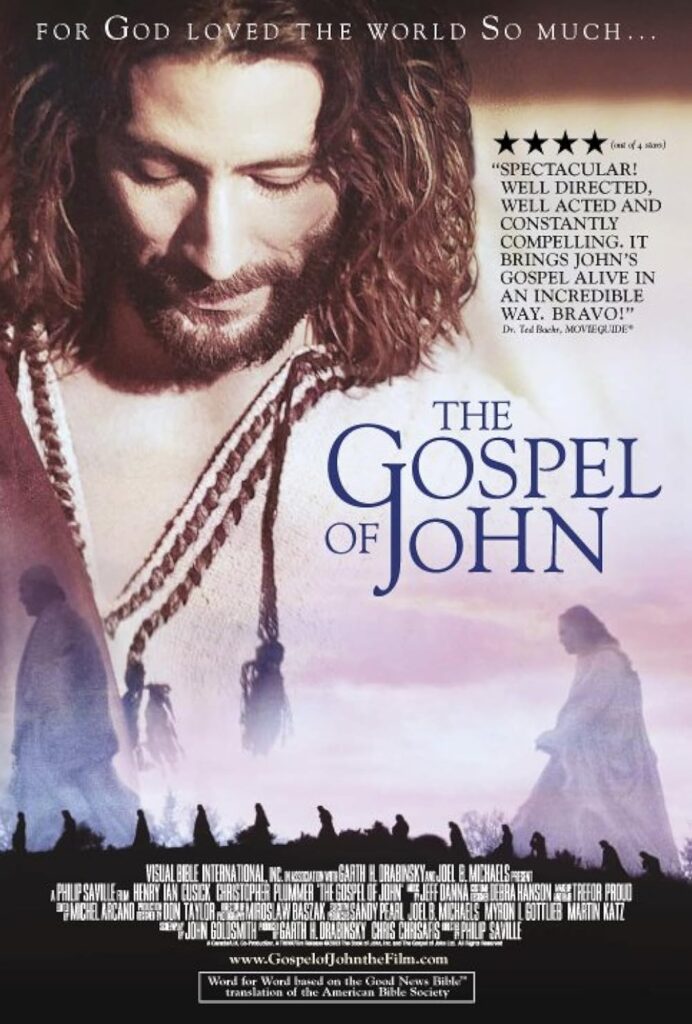
The Gospel of John is a 2003 epic biblical drama film that recounts the life of Jesus according to the Gospel of John.[3] The film is a word-for-word adaptation of the American Bible Society‘s Good News Bible and follows the Gospel of John precisely, without additions to the story from the other Gospels or omissions of the Gospel’s complex passages. It stars Henry Ian Cusick as Jesus of Nazareth, Stuart Bunce as John and is narrated by Christopher Plummer.
DOWNLOAD
IT’S THE EASTER BEAGLE, CHARLIE BROWN!
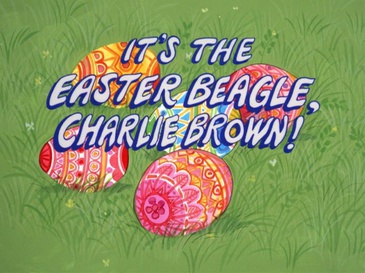
It’s the Easter Beagle, Charlie Brown! is the 12th prime-time animated TV special based on the comic strip Peanuts by Charles M. Schulz.[1] In the United States, it debuted on CBS on April 9, 1974, at 8 p.m., five days before Easter.[2]
It’s the Easter Beagle, Charlie Brown received an Emmy nomination for Outstanding Children’s Special at the 27th Primetime Emmy Awards in 1975. It was one of two Peanuts specials nominated that year, along with Be My Valentine, Charlie Brown, but they both lost to Yes, Virginia, there is a Santa Claus (another Bill Melendez production).[3]
DOWNLOAD
RISEN
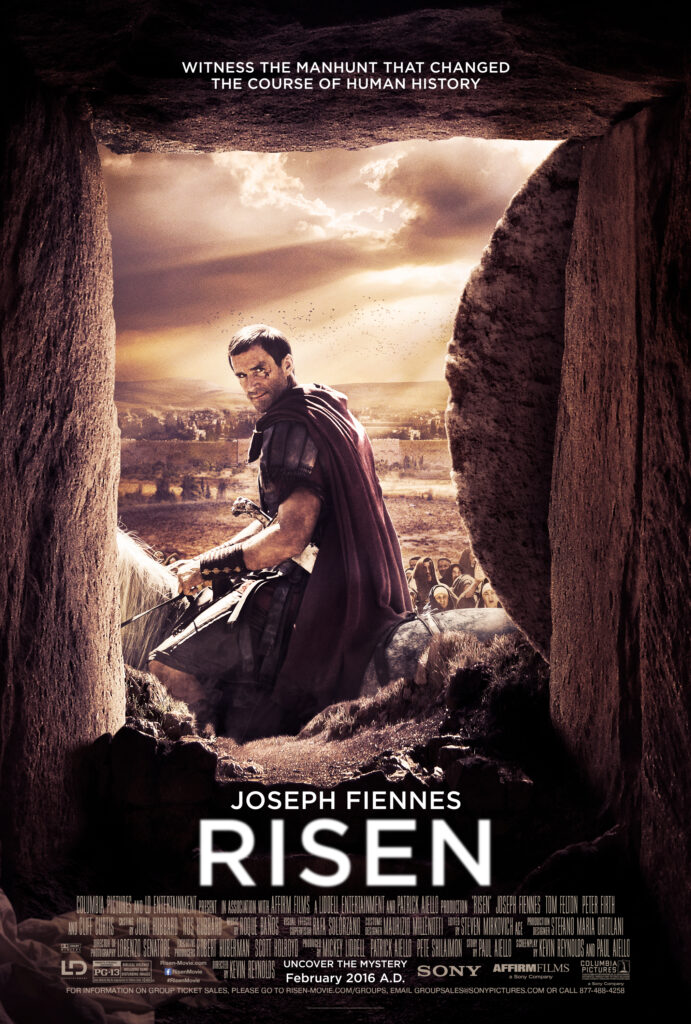
Risen is a 2016 biblical drama film directed by Kevin Reynolds and written by Reynolds and Paul Aiello. An American-Spanish co-production, the film stars Joseph Fiennes, Tom Felton, Peter Firth, and Cliff Curtis, and details a Roman soldier’s search for Jesus‘s body following his resurrection. Sony Pictures Releasing through its Columbia Pictures label released the film to theaters in the United States on February 19, 2016. It received mixed reviews and grossed $46 million worldwide.